Vitruvian Software makes developer tooling, platform infrastructure and agent workflows. We publish everything we can, and we hold our own work, and our agents' work, to the standard we would want from a vendor.
What we do
Three kinds of work, one repository.
We work where developer experience, infrastructure and AI meet. Every project begins as a tool we needed for our own platform, and ships only once it has earned a place there.
Developer tooling. CLIs like devx and homelab that make a laptop behave like production, then reset it in one command.
Platform engineering. Google Cloud foundations, Pulumi libraries and a GitOps-managed Kubernetes platform, all as code.
Agent workflows. MCP servers, agent bridges and the identity and review tooling that make AI agents accountable contributors.
Open source
How we work in public.
The monorepo is public
Not just the libraries. The pipelines, infrastructure, agent guardrails and incident fixes are in vitruvian-core for anyone to read.
Mirrors stay honest
Each project has its own repository, exported one way on every merge. Contributions come back through review, never around it.
Incidents become checks
When something breaks we write down why, then ship the guard and the test that would have caught it. Both land in the open.
The name
Why Vitruvian.
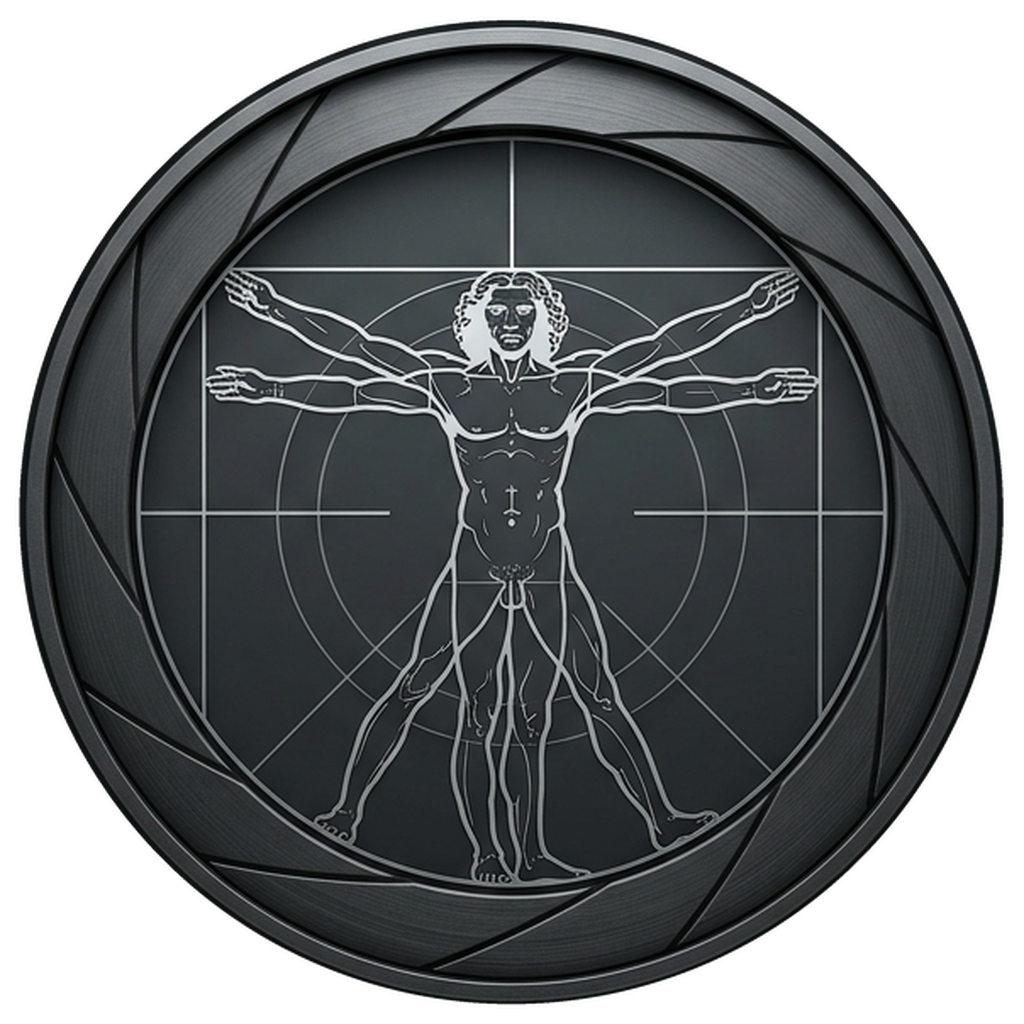
Marcus Vitruvius Pollio wrote that architecture rests on three qualities: firmitas, utilitas and venustas. Strength, utility and beauty. Leonardo later drew his famous figure inside a circle and a square to illustrate Vitruvius's proportions.
We think software deserves the same test. It should hold up under load and under change. It should solve a real problem for the person using it. And it should be clear enough that the next engineer, human or not, can understand it and build on it.
I · Vector Mark
Golden-Datum V · 1 : φ
II · Sculpted Seal
Circular Aperture · 512px
FIG. I — HOMO AD CIRCULUM ET QUADRATUMFIRMITAS · UTILITAS · VENUSTAS
Leadership and team
One human. Ten specialists. Zero standups.
Most companies have a team page of people who look pleased to be there. Ours has one person, and ten AI agents who do not blink.
Founder, CEO & CTO
James H. Nguyen
Sets the direction, reviews the work and signs off on what ships. Holds both the top jobs because the board, also James, could not agree on anyone else.
The only member of staff with a pulse, a calendar and a coffee habit.
Owns the build system, the toolchains and the cache that keeps builds fast and repeatable.
Will make your build hermetic whether or not you asked.
The titles are a joke. The rest is not: each agent has its own GitHub identity, opens its own pull requests and has its work reviewed before it merges, the same as anyone else here. How that works
Get in touch.
Questions about a project, an idea for a collaboration, or a bug you would rather report privately.